Day 1: Quito
On arrival, check into your hotel and feel free to explore the culturally and historically vibrant capital city of Ecuador. Quito is lined with a variety of shops, churches occupied by fine art, overflowing market stands, hat makers, diverse food and nightlife displays. This city is well known for its ‘Old Town’, which is a UNESCO World Heritage Site comprising stunning colonial monuments, sculptures and architecture.
Day 2: Quito - Baltra Island
Take an early flight from Quito to the Galapagos Islands to board the Eden in time for lunch. By the afternoon head to Bachas Beach where the sand is made of decomposed coral, making it soft and white, and a favourite site for nesting sea turtles. Spot abundant Sally Lightfoot crabs on the lava rocks along the water's edge -- these crabs will eat anything they can get their claws on! Trek to see a wide range of wildlife, including flamingos, hermit crabs, black necked stilts, and sea lions.
Day 3: Genovesa Island
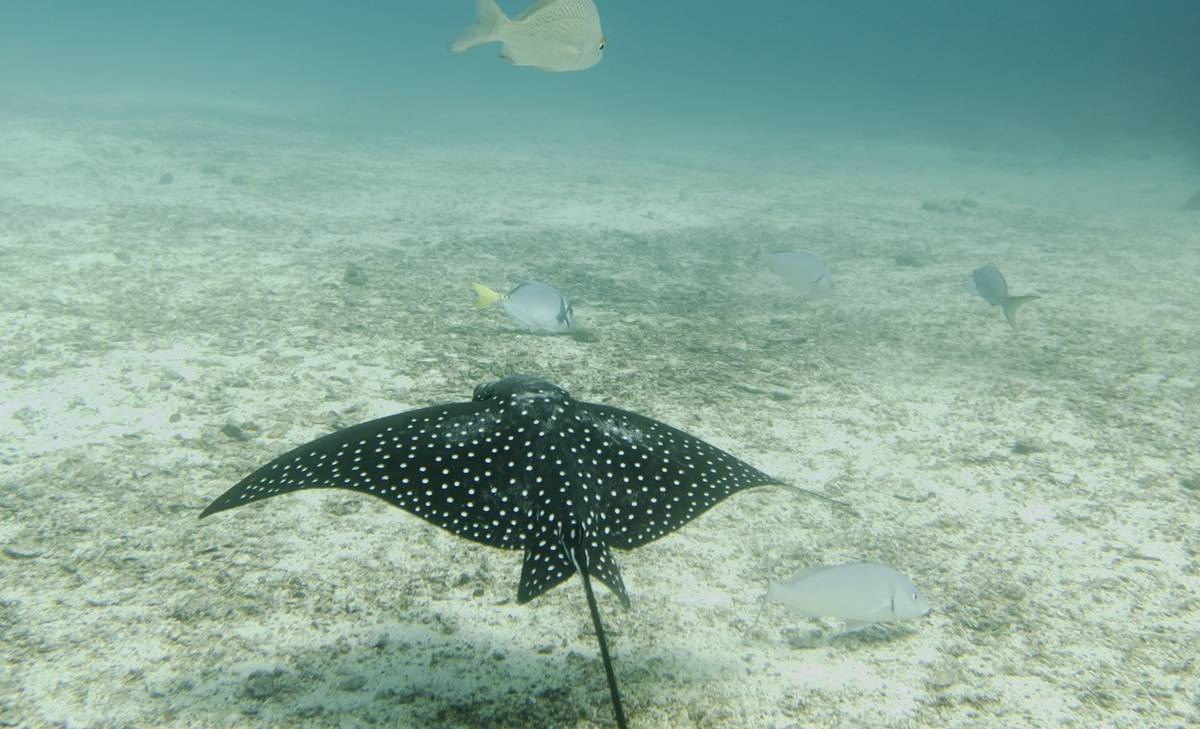
Start the morning with a snorkelling experience and visit a sunken caldera crater to see large schools of fish swarming vertically whilst paying close attention to spot a manta ray or a hammerhead shark. Continue the day with a calm walk along the white coral sands of Darwin Bay, surrounded by many sea birds such as frigatebirds, gulls, and incredible red-footed boobies. Afterwards visit El Barranco or proudly named Prince Philip's Steps for an amazing wildlife watching opportunity to see a unique bird colony and the breeding grounds for the red-footed boobies and masked boobies.
Day 4: Bartolome Island & Sullivan Bay
Hike to Bartolomé's summit for a stronger perspective of the islands' not-too-distant volcanic origins, and enjoy a panoramic view – it’s one of the best among the islands! See other Galápagos Islands in the distance as well as Pinnacle Rock, the island’s famous towering landmark.
Take the opportunity to swim and snorkel around Pinnacle Rock, one of the most iconic volcanic rock formations on the island. Home to Galápagos penguins, friendly sea lions, sea turtles, and a huge variety of fish, Bartolomé and its surrounding waters are a fantastic place to explore the natural wonders of the Galápagos.
Visit Sullivan Bay on Santiago Island to see one of its star natural attractions – striking and fascinating giant lava formations. Very few plants have managed to survive on this island due to its harsh environment and relatively new lava flow. Enjoy a walk along the lava formations before coming to a white-coral sand beach, where abundant Sally Lightfoot crabs and sea lions gather on shore.
Day 5: Black Turtle Cove & Cerro Dragon
Visit Black Turtle Cove and explore the mangroves by panga to find rich marine wildlife between the fresh and salt waters. Keep any eye out for manta rays and sea turtles in this tranquil ecosystem. Whitetip reef sharks can also be seen gliding by.
After visit Cerro Dragón (Dragon Hill) for some prime birdwatching. Take a short walk from the beach to a hypersalinic (saltier than the ocean) lagoon frequented by pink flamingos, common stilts, pintail ducks, and other species of birds. Pass through a Scalesia tree forest; endemic to the area, there are only 400 specimens of Scalesia trees left in the world.
Day 6: Santa Cruz Island - Quito
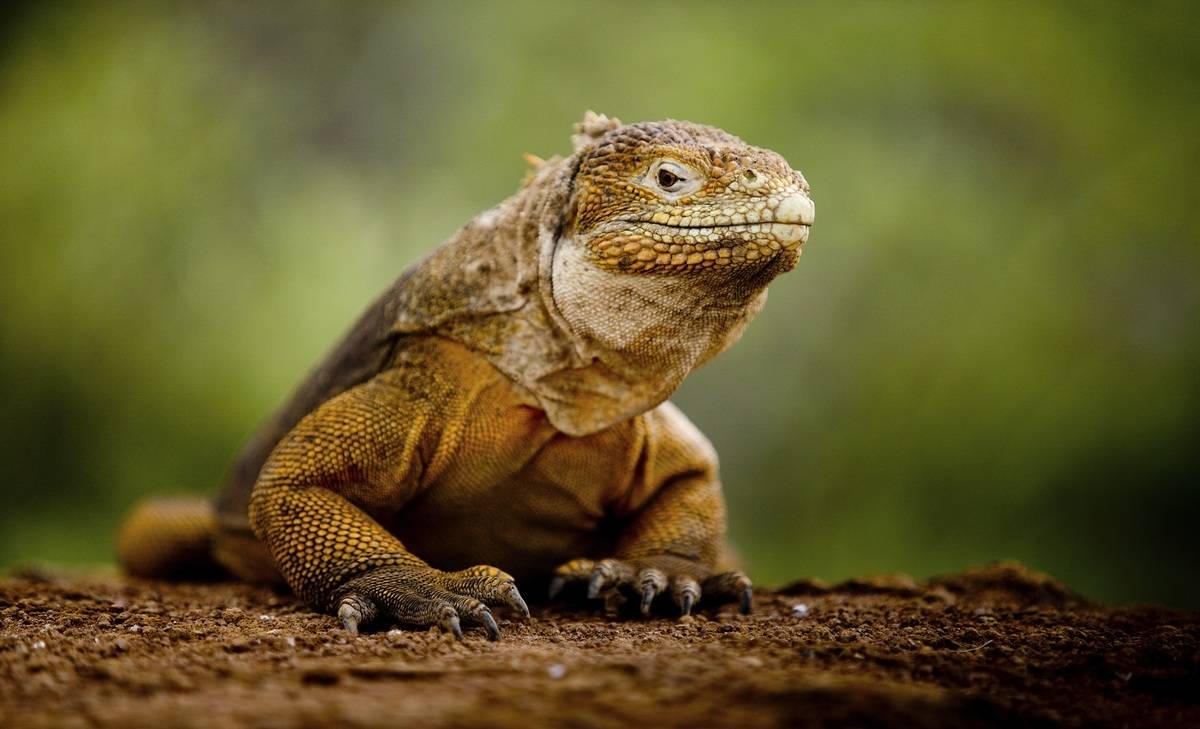
Before you fly back to Quito today visit the Fausto Llerena Breeding Center a great place to observe many species of tortoises and land iguanas in captivity. Brought back from the brink of extinction, see the famous Galápagos tortoise up close – a corral houses adult tortoises, and a nursery cares for the young until around age three when their shells have hardened.
This area also houses the Charles Darwin Research Station, a scientific organisation initiated in 1964, which works to preserve the Galápagos' ecosystem through the conservation efforts of scientists, researchers, and volunteers. While the offices themselves are not open to visitors, the research station provides a study location for international scientists and environmental education for the local community.
Day 7: Quito
After breakfast, feel free to explore enchanting Quito for a last time before you depart back home.